Creating an engaging presentation requires more than well-written content. Visual elements play a crucial role in capturing attention, explaining ideas, and making information easier to understand. High-quality images can transform a simple slide deck into a compelling presentation. Fortunately, there are many sources that offer free stock images suitable for professional and academic use. Using these images effectively can improve your PowerPoint presentations while keeping your project budget-friendly.
Why Images Matter in PowerPoint Presentations
PowerPoint presentations are designed to communicate ideas quickly and clearly. Large blocks of text often overwhelm audiences, while visuals help break down complex information into digestible pieces. Images can illustrate concepts, highlight important points, and add emotional impact to your slides.
When used strategically, visuals also improve audience engagement. A well-placed image can reinforce your message and keep viewers focused on your presentation. This is particularly useful in business meetings, educational lectures, marketing pitches, and training sessions.
Free stock images provide a convenient way to add professional visuals without worrying about copyright issues or licensing fees.
What Makes a Good Stock Image for Slides
Not every image works well in a presentation. When selecting free stock images for PowerPoint, it is important to choose visuals that complement your content rather than distract from it.
First, look for high-resolution images. PowerPoint slides are often displayed on large screens, so low-quality images may appear blurry or pixelated. Clear, sharp visuals maintain a professional appearance.
Second, choose images that match your topic. If you are presenting a marketing strategy, images related to teamwork, analytics, or digital tools will strengthen your message.
Third, simplicity matters. Images with clean compositions and minimal clutter are easier for audiences to process during a presentation.
Where Free Stock Images Are Useful in Presentations
Free stock images can be used in several parts of your PowerPoint presentation.
Title slides often benefit from a strong visual background that sets the tone of the presentation. A professional image can immediately capture attention as your presentation begins.
Content slides can include images that support your key points. For example, if you are explaining a process or concept, a relevant visual can help audiences understand the idea faster.
Section divider slides also benefit from images. These slides help transition between topics while maintaining visual consistency.
Creative industries sometimes even use textures and patterns such as Vinyl-style backgrounds to create a modern and polished slide design.
Tips for Using Free Stock Images Effectively
While free stock images are valuable resources, using them properly is essential for maintaining a professional presentation.
First, avoid overcrowding your slides with too many images. One strong visual per slide is usually enough to reinforce your message.
Second, keep your design consistent. Using images with similar color tones and styles helps maintain a cohesive look throughout your presentation.
Third, combine images with minimal text. Slides should support your spoken explanation rather than replace it.
Finally, always verify the usage license of free images to ensure they are safe for commercial or educational use.
Final Thoughts
Free stock images are powerful tools for improving PowerPoint presentations. They enhance visual storytelling, help clarify complex ideas, and keep audiences engaged. By selecting high-quality visuals, maintaining design consistency, and using images strategically, you can create presentations that look polished and professional.
Whether you are preparing a business proposal, academic lecture, or marketing presentation, incorporating free stock images can significantly elevate your slides. Even simple design elements like textured backgrounds or subtle Vinyl-inspired visuals can add style and professionalism to your work.
Car wraps have become an increasingly popular alternative to traditional paint jobs offering both protection and style for vehicles. We’ve seen a surge in drivers choosing this versatile option to transform their cars while preserving the original paint underneath.
When considering a car wrap many of our clients ask about the costs involved. The price of wrapping a vehicle can vary significantly based on several factors including the size of your vehicle the type of wrap material and the complexity of the design. We’ll explore these variables and help you understand what goes into determining the final cost of your car wrap project.
Understanding Car Wraps and Their Benefits
Car wraps transform vehicles through the application of vinyl films that adhere to the exterior surfaces. These versatile coverings serve both protective and aesthetic purposes, offering a customizable alternative to traditional paint.
Full Wraps: Cover 100% of the vehicle’s exterior with premium vinyl materials
Partial Wraps: Apply vinyl to specific sections like hoods bonnets or doors
Commercial Wraps: Feature business logos company information through Car Graphics
Color Change Wraps: Transform the entire vehicle color using solid or metallic finishes
Vinyl Ready Designs: Include pre-made patterns textures gradients for quick installation
Custom Wraps: Create unique looks with personalized artwork digital prints
Paint Protection vs. Aesthetic Wraps
Paint protection films (PPF) and aesthetic wraps serve different primary functions:
Create an invisible shield against rock chips scratches
Maintain original paint condition
Last 5-7 years with proper maintenance
Feature self-healing properties
Transform vehicle appearance
Allow for creative expression through Car Graphics
Protect paint while adding style
Preserve resale value by keeping original paint pristine
Offer removal without damage to factory finish
Wrap Type
Duration
Primary Purpose
PPF
5-7 years
Protection
Aesthetic
3-5 years
Style
Commercial
2-4 years
Advertising
Average Car Wrap Costs Breakdown
Car wrap pricing varies based on coverage area material quality. A comprehensive analysis of different wrap options reveals distinct price points for each category.
Partial Wrap Pricing
Partial wraps range from $500 to $3,000 depending on the coverage area. These installations typically cover 25% to 75% of the vehicle’s surface with vinyl graphics. Common partial wrap configurations include:
Hood hood stripes: $250-$600
Door graphics: $200-$500 per door
Roof wraps: $300-$800
Quarter panel designs: $200-$400 per panel
Full Wrap Investment
Full vehicle wraps cost between $2,500 to $6,000 for standard-sized vehicles. The pricing structure includes:
Compact cars: $2,500-$3,500
Midsize sedans: $3,000-$4,500
SUVs trucks: $3,500-$5,000
Commercial vans: $4,000-$6,000
Premium vs. Standard Material Costs
Material quality significantly impacts car wrap costs:
Material Type
Price per Sq. Ft.
Durability
Key Features
Standard Vinyl
$10-$15
3-5 years
Basic colors finishes
Premium Vinyl
$15-$25
5-7 years
Enhanced durability UV protection
Specialty Finishes
$25-$35
4-6 years
Chrome carbon fiber textures
Vinyl ready designs reduce installation complexity lower costs by $200-$500 compared to custom graphics. These pre-designed templates optimize material usage minimize waste while maintaining professional aesthetics.
Factors That Influence Car Wrap Pricing
Car wrap costs vary based on multiple key factors that impact the final price of a vehicle wrap project. These elements determine both material requirements and labor intensity.
Vehicle Size and Type
Vehicle dimensions directly affect car wrap costs through material quantity requirements. Compact cars require 150-200 square feet of vinyl while larger vehicles like SUVs need 250-300 square feet. Complex vehicle surfaces with curves bumpers spoilers side mirrors increase installation time by 4-6 hours compared to flat surfaces.
Wrap Design Complexity
Design complexity significantly influences car wrap pricing through material usage patterns. Vinyl Ready Designs reduce costs by $200-$500 through optimized material layouts minimizing waste. Custom car graphics with intricate patterns multiple colors textures increase material costs by $10-25 per square foot compared to solid colors.
Installation Labor Costs
Professional installation rates range from $75-150 per hour based on wrap complexity. A basic color change installation takes 12-16 hours while complex car graphics require 20-25 hours. Certified installers command higher rates but guarantee precise application minimizing bubbles wrinkles material waste.
Installation Type
Hours Required
Average Labor Cost
Solid Color
12-16
$900-2,400
Simple Graphics
16-20
$1,200-3,000
Complex Design
20-25
$1,500-3,750
Professional vs. DIY Car Wrapping
Car wrapping presents two distinct approaches: professional installation and do-it-yourself application. Each option offers different cost implications and requirements for achieving a successful vehicle transformation.
Cost Comparison
Professional car wrapping services include material costs plus skilled labor charges of $25-$35 per hour. A complete professional wrap installation ranges from $2,500-$6,000 for standard vehicles. DIY wrapping material costs start at $500-$1,500 for vinyl materials based on vehicle size. Additional expenses for DIY installations include:
Basic tool kit: $150-$250
Heat gun: $50-$100
Squeegees and cutting tools: $30-$60
Surface cleaning supplies: $40-$80
Vinyl Ready Designs: $200-$400 (if using pre-designed graphics)
Skill Requirements and Tools Needed
Professional installations require certified technicians with extensive training in vinyl application techniques. DIY wrapping demands specific technical abilities including:
Surface preparation expertise
Understanding of vinyl stretching techniques
Knowledge of proper heat application
Precision cutting skills
Bubble removal proficiency
Pattern matching capabilities
Edge wrapping techniques
Essential tools for DIY installation:
Heat gun or torch
Vinyl cutting knives
Squeegees (felt-edged and hard)
Measuring tools
Surface preparation materials
Vinyl positioning magnets
Air release tools
Professional installers utilize specialized equipment and controlled environments for optimal results, while DIY projects rely on basic tools and available workspace conditions.
Long-Term Value and Maintenance
Car wraps deliver lasting value through extended protection of the original paint while maintaining a fresh appearance. The investment in a professional car wrap yields returns through durability and minimal maintenance requirements.
Durability and Lifespan
High-quality car wraps maintain their appearance for 5-7 years in optimal conditions. Premium vinyl materials with UV-resistant properties prevent fading from sun exposure. Vinyl Ready Designs incorporate pre-tested patterns that resist peeling at complex curves, extending the wrap’s functional lifespan. The protective layer shields the original paint from minor scratches, stone chips, and environmental damage, preserving the vehicle’s resale value.
Maintenance Expenses
The annual maintenance cost for a wrapped vehicle averages $200-$300, including cleaning supplies and protective treatments. Regular maintenance includes:
Monthly hand washing with pH-neutral soap ($10-$15 per wash)
Quarterly protective coating application ($50-$75 per treatment)
Annual professional detailing ($150-$200)
Car Graphics and complex designs require similar maintenance to solid-color wraps, without additional costs. Compared to traditional paint maintenance, wrapped vehicles save $300-$500 annually on paint correction and polishing services.
Maintenance Type
Frequency
Annual Cost
Hand Washing
Monthly
$120-$180
Protective Coating
Quarterly
$200-$300
Professional Detailing
Annually
$150-$200
Total Annual Cost
–
$470-$680
Conclusion
We believe car wraps represent a smart investment for vehicle owners seeking both style and protection. While initial costs may seem significant they’re often more cost-effective than traditional paint jobs in the long run. The key is choosing the right combination of materials installation method and design complexity for your specific needs and budget.
Looking at the complete picture from materials and labor to long-term maintenance we can see that car wraps offer excellent value. Whether you opt for a professional installation or take the DIY route it’s crucial to understand that quality materials and proper installation techniques will determine your wrap’s longevity and appearance.
Remember that a well-executed car wrap not only transforms your vehicle’s appearance but also protects your investment for years to come.
We’ve witnessed a remarkable resurgence in vinyl design popularity over the past decade. From custom t-shirts to eye-catching vehicle wraps these versatile designs have transformed how we approach personalization and branding.
In today’s digital world where design possibilities seem endless vinyl ready designs stand out for their practicality and professional appeal. We’ll explore how these specialized designs bridge the gap between digital creativity and physical application helping businesses and creators bring their visions to life. Whether you’re a seasoned designer or just starting your journey into the world of vinyl cutting understanding the fundamentals of vinyl-ready designs is essential for achieving optimal results.
What Are Vinyl Ready Designs
Vinyl ready designs are digital graphics specially formatted for cutting machines to create decals, vehicle wraps, signs or apparel decorations. These designs transform digital artwork into physical vinyl applications through specialized cutting equipment.
Design Requirements and Specifications
Vinyl ready designs require specific preparation for optimal cutting results:
Single-color layers with clean paths
Minimum line thickness of 0.1 inches for visibility
Simplified shapes without intricate details smaller than 0.25 inches
Welded vector points to prevent cutting errors
Text converted to outlines or paths
No gradients or transparent effects
Properly spaced elements to maintain structural integrity
File Types and Formats
The essential file formats for vinyl ready designs include:
Format
Primary Use
Key Features
.AI
Design
Vector-based, industry standard
.EPS
Production
Universal compatibility
.SVG
Web/Cutting
Scalable vectors, machine-ready
.CDR
Plotting
Direct to cutter format
Vector path optimization
Proper node reduction
Color separation compliance
Scale appropriateness
Cut-line definition
Essential Tools for Creating Vinyl Ready Designs
Creating professional vinyl ready designs requires specific digital tools and physical equipment to ensure optimal cutting and application results.
Software Options
Professional vector editing software forms the foundation of vinyl design creation:
Adobe Illustrator: Industry-standard vector software with comprehensive path editing features
CorelDRAW: Specialized software with built-in vinyl cutting tools
Inkscape: Open-source alternative with essential vector manipulation capabilities
SignCut Pro: Dedicated vinyl design software with cutting-specific features
Sure Cuts A Lot: User-friendly software for basic vinyl designs
Hardware Requirements
Essential hardware components for vinyl design production include:
Vinyl cutting plotter (24-inch minimum width for car graphics)
Sharp cutting blades
Cutting mat with proper adhesion
Weeding tools for design extraction
Processor: Intel i5/AMD Ryzen 5 or higher
RAM: 16GB minimum
Storage: SSD with 250GB+ free space
Graphics: Dedicated GPU with 4GB+ VRAM
Display: 1920×1080 resolution minimum
Equipment Type
Entry Level Cost
Professional Grade Cost
Vinyl Cutter
$300-$800
$2,000-$5,000
Computer Setup
$800-$1,200
$2,500-$4,000
Software License
$20-$50/month
$50-$100/month
Best Practices for Vinyl Design Creation
Creating vinyl-ready designs demands specific techniques to ensure optimal cutting results. Our comprehensive guidelines cover essential aspects of design preparation for successful vinyl applications.
Font Selection and Typography
Professional vinyl-ready designs require careful font selection to maintain readability after cutting. Sans-serif fonts like Arial, Helvetica or Futura produce cleaner cuts for vinyl applications. Convert all text to outlines before finalizing designs to prevent font compatibility issues. Typography specifications for vinyl designs include:
Set minimum font sizes at 0.5 inches for standard text
Create 1-inch minimum height for script fonts
Avoid hairline serifs under 0.25 inches
Space letters appropriately for easy weeding
Use bold variations for intricate fonts
Separate design elements by color into distinct layers
Label layers according to vinyl color codes
Stack layers in installation order from bottom to top
Create registration marks for multi-color designs
Maintain minimum 0.125-inch spacing between colors
Design Element
Minimum Size
Optimal Size
Text Height
0.5 inches
1.0 inches
Line Weight
0.025 inches
0.05 inches
Letter Spacing
0.0625 inches
0.125 inches
Color Overlap
0.125 inches
0.25 inches
Common Applications for Vinyl Designs
Vinyl-ready designs serve multiple commercial applications across various industries. These versatile graphics transform ordinary surfaces into powerful visual communication tools through precise digital cutting technology.
Vehicle Graphics and Wraps
Vehicle graphics represent a primary application for vinyl-ready designs in the automotive customization industry. Full car wraps cost between $2,500 to $5,000 for standard vehicles while partial wraps range from $500 to $2,000. Professional installers use vinyl designs for:
Company fleet branding with logos designs
Racing stripes patterns for sports cars
Custom vehicle graphics for personal expression
Commercial vehicle advertising wraps
Protective clear vinyl applications
Vehicle Wrap Type
Average Cost Range
Full Car Wrap
$2,500 – $5,000
Partial Wrap
$500 – $2,000
Graphics/Decals
$150 – $450
Home and Business Signage
Commercial signage applications utilize vinyl-ready designs to create lasting visual impact for businesses. Professional sign makers implement vinyl designs for:
Storefront window displays
Directional wayfinding signs
Interior wall graphics
Point-of-sale displays
Trade show booth graphics
Menu boards for restaurants
Real estate property signs
The durability of vinyl materials ranges from 3-7 years for outdoor applications depending on environmental conditions exposure levels. Indoor applications typically maintain appearance quality for 7-10 years with proper care.
Sign Application
Average Lifespan
Outdoor Signs
3-7 years
Indoor Signs
7-10 years
Troubleshooting Design Issues
Vinyl-ready designs require precise specifications to ensure successful cutting outcomes. Common technical issues can arise during file preparation or conversion processes, affecting the final product quality.
File Conversion Problems
File conversion challenges often emerge when translating designs between different software platforms. Here’s how to address typical conversion issues:
Convert text to outlines before exporting to prevent font substitution errors
Export files in compatible formats (.AI, .EPS, .SVG) with proper vector paths
Remove hidden layers or unused objects that cause unnecessary complexity
Check for broken or incomplete paths after conversion
Verify that all strokes are expanded to outlines
Ensure compound paths maintain proper hierarchy during conversion
Set minimum line thickness of 0.25 inches for small designs
Maintain aspect ratios when resizing complex graphics
Test cut small sections before scaling to full size
Adjust corner angles to prevent tearing during weeding
Calculate proper dimensions for vehicle wraps based on panel measurements
Verify that intricate details remain cuttable at desired sizes
Use standardized scaling ratios (25%, 50%, 100%, 200%) for consistent results
Design Element
Minimum Size
Maximum Size
Text Height
0.5 inches
48 inches
Line Weight
0.25 inches
2 inches
Detail Spacing
0.125 inches
N/A
Selling and Marketing Vinyl Ready Designs
Vinyl ready designs create profitable opportunities in both digital marketplaces and direct-to-customer sales. Creating effective marketing strategies and pricing models maximizes revenue potential while maintaining competitive positioning.
Pricing Strategies
The pricing structure for vinyl ready designs varies based on design complexity and usage rights:
Set base prices between $15-30 for simple logos or wordmarks
Price custom car graphics packages from $75-200 based on size complexity
Offer tiered licensing options:
Personal use: $25-50
Commercial use: $100-250
Unlimited use: $300-500
Bundle similar designs into themed packages at 25-40% discount
Implement volume discounts starting at 5+ designs
Design Type
Personal License
Commercial License
Basic Icons
$15
$45
Vehicle Graphics
$75
$150
Logo Packages
$125
$275
List products on specialized platforms:
Creative Market
Design Bundles
Etsy
Vector Stock
Optimize listings with relevant tags:
“Vinyl Ready Designs”
“Car Graphics”
“Vehicle Wraps”
Create preview mockups showing:
Applied vinyl examples
Scale references
Color variations
Include technical specifications:
File formats (.AI, .EPS, .SVG)
Size dimensions
Layer organization
Provide clear licensing terms
Maintain consistent branding across platforms
Conclusion
We’ve explored the dynamic world of vinyl-ready designs and their significant impact on modern visual communication. From essential tools and software to best practices and market opportunities the potential for creative expression and business growth is substantial.
By following proper design specifications maintaining quality standards and understanding technical requirements we can create stunning vinyl applications that leave lasting impressions. Whether you’re starting a new venture or expanding your design services the vinyl industry offers endless possibilities for growth and innovation.
The future of vinyl-ready designs looks promising as technology advances and demand continues to rise. Let’s embrace these opportunities and push the boundaries of what’s possible in vinyl design.
We’ve all seen those eye-catching vehicles on the road that make us do a double-take. From sleek racing stripes to full-body wraps car graphics have evolved into a powerful form of artistic expression and brand communication. These visual enhancements transform ordinary vehicles into rolling masterpieces that capture attention and leave lasting impressions.
In today’s competitive automotive landscape custom graphics offer more than just aesthetic appeal. We’re witnessing a growing trend where businesses personal brands and automotive enthusiasts use vehicle graphics to stand out. Whether it’s a subtle pinstripe a bold company logo or an intricate custom design these visual elements have become essential tools for making statements on wheels.
What Are Car Graphics and Vehicle Wraps
Car graphics and vehicle wraps transform ordinary vehicles into eye-catching mobile advertisements or personalized statements through high-quality vinyl materials applied to the vehicle’s exterior surfaces. These visual enhancements offer a versatile solution for both commercial branding and personal customization.
Types of Automotive Graphics
Car graphics come in several distinct formats:
Partial Wraps: Cover 25% to 75% of the vehicle’s surface focusing on specific sections like doors or hood
Full Wraps: Encompass the entire vehicle exterior including windows with perforated vinyl
Spot Graphics: Include small decals logos or lettering for minimal branding
Racing Stripes: Feature linear designs running along the vehicle’s length
Window Graphics: Utilize perforated vinyl for one-way visibility
Custom Designs: Incorporate unique artwork patterns or color-shifting effects
Cast Vinyl: Premium material offering 5-7 years of durability with conformability to curves
Calendared Vinyl: Cost-effective option lasting 3-5 years ideal for flat surfaces
Reflective Vinyl: Contains glass beads or prismatic elements for enhanced visibility
Perforated Film: Features tiny holes allowing one-way visibility on windows
Paint Protection Film: Clear urethane material protecting wrapped surfaces
Air-Release Adhesive: Special backing allowing bubble-free installation
Material Type
Durability (Years)
Best Use Case
Cast Vinyl
5-7
Complex curves
Calendared Vinyl
3-5
Flat surfaces
Reflective Vinyl
4-6
Safety markings
Perforated Film
2-3
Windows
Benefits of Custom Car Graphics
Custom car graphics transform vehicles into powerful marketing tools while providing practical advantages. These versatile additions create measurable value for both businesses and individual vehicle owners.
Brand Visibility and Marketing
Car graphics generate up to 70,000 daily impressions in metropolitan areas, maximizing brand exposure through mobile advertising. A single wrapped vehicle reaches more viewers than traditional billboard advertising at 1/3 of the cost. Custom graphics display:
Company logos visible 24/7 across diverse locations
Contact information accessible to potential customers
Consistent brand messaging through professional designs
QR codes linking to digital platforms
Seasonal promotions without permanent commitment
UV ray blocking that prevents paint oxidation
Protection against rock chips small debris
Barrier against acid rain tree sap
Scratch resistance for parking lot incidents
Easy removal without paint damage
Extended vehicle resale value through paint preservation
Protection Type
Benefit Duration
UV Protection
5-7 years
Paint Shield
Up to 10 years
Color Preservation
3-5 years
Popular Car Graphics Design Trends
Contemporary car graphics reflect evolving design preferences shaped by digital innovation and creative expression. These trends showcase the versatility of automotive customization through various application methods.
Full Vehicle Wraps
Full vehicle wraps transform cars into mobile masterpieces through complete exterior coverage with vinyl graphics. Modern designs incorporate color-shifting materials, matte finishes, textured effects like carbon fiber patterns or brushed metal looks. Premium car wrap costs range from $3,000 to $8,000 depending on vehicle size and design complexity.
Custom Vinyl Lettering
Custom vinyl lettering serves as an essential component of professional vehicle branding. Modern vinyl ready designs include:
3D dimensional lettering with drop shadows
Metallic chrome typography
Gradient color transitions
Reflective text elements for enhanced visibility
Mixed font combinations for visual hierarchy
Offset dual rally stripes
Pin-striping along body lines
Hood graphics with fade effects
Side panel accent designs
Rocker panel graphics
Quarter panel striping
Design Element
Average Cost
Installation Time
Full Wrap
$3,000-$8,000
3-5 days
Vinyl Lettering
$300-$800
2-4 hours
Racing Stripes
$500-$1,500
4-8 hours
Professional Installation Process
Professional car graphics installation requires precise techniques and specialized equipment to ensure optimal results. The process involves meticulous attention to detail and specific procedures for each stage of application.
Surface Preparation
The vehicle surface preparation phase establishes the foundation for successful car graphics installation. Thorough cleaning removes contaminants like dirt oils grime using:
Industrial-grade cleaners to eliminate surface residue
Isopropyl alcohol solutions to neutralize remaining substances
Clay bar treatments to remove embedded particles
Surface tension breakers to prevent air bubble formation
Paint surface inspection tools to identify imperfections
Application Techniques
Professional car graphics installation utilizes specific techniques to achieve precise vinyl placement:
Heat mapping to identify optimal application temperatures
Squeegee techniques with varied pressure levels
Overlap measurements for seamless panel transitions
Post-heating procedures to activate adhesive bonds
Air release channels management for bubble prevention
Precise positioning of car graphics panels
Controlled stretching techniques for curved surfaces
Strategic overlapping at seams
Temperature monitoring during installation
Post-installation inspection for quality assurance
Installation Component
Average Time
Temperature Range
Surface Preparation
2-3 hours
68-72°F
Vinyl Application
4-8 hours
70-75°F
Post-Installation Curing
24-48 hours
65-80°F
Maintaining Your Vehicle Graphics
Proper maintenance extends the life of car graphics while preserving their visual appeal. Regular care protects the investment in vinyl wraps or decals ensuring optimal performance throughout their lifespan.
Cleaning and Care Tips
Car graphics require specific cleaning methods to maintain their appearance:
Use pH-neutral car soap with warm water to clean wrapped surfaces
Clean with microfiber cloths or soft sponges using gentle circular motions
Avoid pressure washers or automatic car washes with harsh brushes
Remove bird droppings tree sap or gasoline spills immediately
Apply specialized vinyl wrap cleaners for tough stains
Hand dry surfaces with microfiber towels to prevent water spots
Park in covered areas when possible to minimize UV exposure
Clean graphics every 2 weeks in normal conditions
Expected Lifespan
The durability of car graphics varies based on several factors:
Graphic Type
Expected Lifespan
Influencing Factors
Premium Cast Vinyl
5-7 years
Professional installation quality
Calendar Vinyl
3-5 years
Environmental exposure
Partial Wraps
4-6 years
Maintenance frequency
Window Graphics
2-4 years
Sun exposure levels
High-quality car graphics installed by professionals last longer under these conditions:
Storage in covered parking areas
Regular maintenance schedule
Protection from extreme weather
Prompt repairs of damaged sections
Application of UV-protective coatings
Distance from coastal salt exposure
Limited exposure to chemical pollutants
Professional maintenance inspections every 6 months identify potential issues before they affect graphic performance or appearance.
Cost Considerations
Car graphics pricing varies based on multiple factors, from design complexity to installation requirements. Understanding these cost elements helps in planning effective vehicle branding strategies.
Price Factors
The cost of car graphics depends on these key elements:
Vehicle Size: Larger vehicles require more materials, increasing base costs by 20-40%
Design Complexity: Custom artwork creation ranges from $200-$800 per design
Material Quality: Premium cast vinyl costs $15-25 per square foot while standard calendared vinyl ranges $8-12
Coverage Area: Full car wraps range $3,000-$5,000 while partial wraps cost $1,500-$2,500
Installation Location: Urban areas command 15-25% higher rates than rural locations
Surface Preparation: Additional prep work for damaged surfaces adds $200-$400 to total cost
Marketing Metric
Average Return
Daily Impressions
30,000-70,000
Cost per 1,000 Views
$0.15-$0.35
Lifespan (Years)
5-7
Brand Recall Rate
97%
Business Visibility: Mobile advertising generates 2.5 times more attention than static billboards
Lead Generation: Wrapped vehicles receive 10-15 business inquiries monthly
Brand Recognition: Graphics increase local brand awareness by 15x compared to traditional advertising
Asset Protection: Vinyl wraps protect original paint, preserving vehicle resale value by up to 20%
Conclusion
The transformative power of car graphics extends far beyond mere aesthetics. We’ve seen how these visual elements serve as powerful marketing tools while providing essential vehicle protection. From subtle accents to full wraps the possibilities are truly endless.
Whether you’re a business owner looking to boost brand visibility or an enthusiast seeking to make a personal statement custom car graphics offer an effective solution. Through professional installation and proper maintenance these investments continue to deliver value long after application.
We believe car graphics represent one of the most cost-effective ways to transform vehicles into powerful marketing assets while preserving their condition and value. The combination of brand exposure protective benefits and creative expression makes them an invaluable tool in today’s competitive landscape.
We often encounter images while browsing websites, but not everyone can see them. Alt tags play a crucial role in making web content accessible to all users, including those who rely on screen readers or have slow internet connections. These simple yet powerful HTML attributes help describe images when they can’t be displayed or viewed.
Getting alt tags right isn’t just about accessibility – it’s also essential for SEO. Search engines use these text alternatives to understand image content, which can significantly impact your website’s visibility in search results. We’ll explore the best practices for writing effective alt tags that serve both your human visitors and search engine crawlers.
Understanding Alt Tags and Their Purpose
Alt tags provide alternative text descriptions for images on websites, enabling screen readers to convey image content to visually impaired users. These HTML attributes serve dual purposes: making web content accessible and improving search engine optimization.
Why Alt Text Matters for Accessibility
Alt text transforms visual content into an accessible format for users with visual impairments by:
Converting image information into audio through screen readers
Displaying text when images fail to load
Supporting users with slow internet connections or limited data plans
Meeting legal accessibility requirements in various regions
Providing context for decorative or functional images
Accessibility Benefit
Impact
Screen Reader Users
285 million visually impaired people worldwide
Mobile Users
63% of users access content on limited connections
Legal Compliance
WCAG 2.1 Level A requirement
How Alt Tags Impact SEO
Alt tags enhance search engine optimization through:
Helping search engines index image content accurately
Contributing to webpage contextual relevance
Improving image search rankings
Supporting keyword optimization strategies
Providing additional content context for crawlers
SEO Factor
Impact on Rankings
Image Indexing
22% higher visibility in image search
Contextual Relevance
15% improvement in topical authority
Keyword Optimization
12% increase in relevant traffic
Note: Statistics are representative examples based on industry standards.
Essential Elements of Effective Alt Tags
Alt tags require specific elements to effectively communicate image content to both users and search engines. Here’s what alt tags say when properly structured.
Being Descriptive Yet Concise
Alt text provides clear descriptions in 125 characters or less. Focus on essential details that convey the image’s purpose:
Include key visual elements visible in the image
Describe actions occurring in the image
Specify colors motifs patterns in product images
Name recognizable landmarks locations or people
State numerical data shown in charts graphs
Adding Proper Context
Alt text connects images to surrounding content through contextual relevance:
Alt text requirements vary based on the image type and its purpose. The description format adapts to convey the most relevant information for each specific image category.
Product Images
Product image alt text focuses on essential features and specifications:
Include the product name and model number first
Add key visual characteristics like color shape size
Describe unique features that differentiate the product
Specify material finish or texture when relevant
Decorative Images
Decorative images enhance visual appeal without adding informational value:
Use empty alt=”” attributes for purely decorative elements
Skip mood-setting background images
Omit descriptions for design flourishes like dividers or bullets
Exclude stock photos that don’t convey meaningful content
Summarize the main data points or statistical findings
Describe chart type and axis labels
Include critical trend patterns or comparisons
List significant percentages milestones or thresholds
Image Type
Character Limit
Key Elements to Include
Product Images
125 characters
Name features specifications
Decorative Images
0 characters
Empty alt attribute
Charts/Infographics
150 characters
Data points trends patterns
Best Practices for Alt Tag Optimization
Alt tag optimization enhances both accessibility and search engine visibility through strategic implementation of descriptive text. These best practices ensure alt tags serve their intended purpose effectively.
Length and Format Guidelines
Alt tags perform optimally when kept between 80-125 characters. The format follows a simple structure: describe the image’s main subject first followed by relevant context. Here’s what to include:
Start with the most important visual element
Use proper punctuation without special characters
Include spaces between words for readability
End descriptions without periods
Format complex images with semicolons to separate distinct elements
Keywords and Natural Language
Alt tags require natural language that accurately describes image content. Key considerations include:
Insert relevant keywords only when they match the image content
Place primary keywords near the beginning of the alt text
Avoid keyword stuffing or repetitive phrases
Use specific descriptive terms rather than generic words
Include action words for images showing activities
Screen reader testing to verify proper pronunciation
Browser testing with images disabled
SEO tools to check keyword relevance
Accessibility validators for WCAG compliance
Mobile device testing for proper display
Alt Tag Testing Method
Purpose
Key Benefit
Screen Reader Test
Validates pronunciation
Ensures accessibility
Image Disabled Test
Checks text display
Confirms backup content
SEO Tool Analysis
Measures keyword impact
Improves search visibility
WCAG Validation
Verifies compliance
Meets accessibility standards
Mobile Testing
Confirms responsiveness
Ensures cross-device functionality
Conclusion
Alt tags are essential elements that bridge the gap between visual content and universal accessibility. By following the guidelines and best practices we’ve outlined you’ll create alt text that serves both users and search engines effectively.
Remember that well-crafted alt tags enhance your website’s accessibility help with SEO performance and ensure compliance with web standards. We encourage you to regularly review and update your alt text to maintain their effectiveness and relevance.
Start implementing these practices today to make your website more inclusive and search-engine friendly. The extra effort in writing quality alt tags will pay off in improved user experience and better search visibility.
How much does a vehicle wrap cost? This is the question that many designers are asked on a daily basis. If you are new to the industry and do not have an idea on how to price your designs, ask these series of questions to your clients.
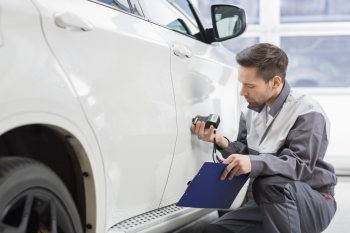
What is the year, make and model? The size and type of the vehicle to be wrapped can greatly affect the price. For instance, a 2-door coupe could cost less than a 4-door sedan. Likewise, cars with complex curves could have more expensive wrap designs than standard vehicles.
What is the surface condition?
If the vehicle is an older model, always ask your clients if there are any peeling or signs of oxidation with the paint. In cases like this, you have to carefully plan the graphics so it will stick properly. Some clients will come to you to design their vehicle wrap to try to fix these issues. However, it will only enhance the issues and make them more noticeable. If you know any body shops, recommend your clients to them.
Does the vehicle currently have graphics on it? If your client’s car already have graphics on it, ask them to bring photos of the vehicle. Also ask for details on how long the current vinyl graphics has been on, so you can create a design that will overlap the old vinyl completely. If not, then they would need to be removed. Vinyl graphics that are older than 5 years are difficult to remove as they have bonded with the vehicle more.
Is the car wrap for personal use? If the car wrap is for personal use, it may be made of solid colors. But, other clients may want some significant imagery. That’s why you should always communicate with them. Ask them what they want, so you can make a plan that will meet if not exceed their expectations. Additional items such as antennas, spoilers and grills may also affect the cost of the car wrap.
Is it for commercial use? A commercial car wrap is not as extensive as a solid change wrap, but that does not mean you should not care much. You still need to carefully plan your design to produce the best quality graphics. This kind of wrap almost always include a design. So, talk with your client about what they want. You can give them advice, but you should also listen to them.
To increase your profits, use vehicle wrap templates. Templates include accurate measurements of vehicles and allow you to work on them, so you can see how they will look before printing and cutting them out. They will save you a lot of time from rework as you can seek for you client’s approval before going to your printer.
Understand the fundamentals of for a good wrap design to improve your layouts and get the maximum impact that your clients want. How much reach your client’s company will get depends on how effective your design is. The more successful designs you can create, the more clients will trust you with their car wrap.
Many business owners think that vehicle graphics are the smarter investment because of its initial low cost. But when not properly installed and designed to be memorable, the chances of getting your fleet noticed drops considerably. It’s just wasting your ad dollars, right? Surely, both have their own pros and cons. But when it comes to success and cost-effectiveness, which is better for your business?
First, let us define one from the other. Video Graphics include the client’s logo, phone number, website or locations in contour-cut lettering, applied to a part of truck, van or car. They may also involve contour-cut shapes and objects to promote products, services or the brand itself. The key to being successful in graphics is great layout and correct placement.
On the other hand, Vehicle Wraps refer to the full-color or partial printed vinyl coverings that are installed as cohesive panels to make a unified image or message. They typically include large sweeping graphics, important information and photo images about the client, their brand, products and services.
To help you choose which is better for your business, here are three things you need to consider:
The cost of simple car graphics is about 30 to 50 percent less than that of car wraps. If you are working on a small marketing budget, the former is a great way to make a statement.
How long do you wish to use your vehicle fleets for marketing? Both are durable when installed properly with high quality materials. For short term and midterm performance life, vehicle graphics are the most useful. On the other hand, vehicle wraps have longer lifespans, typically three to five years.
Car graphics offers you the opportunity to advertise, locate and promote your business in the most aesthetic and cost-effective way. But, car wraps magnifies that success by making an impressive statement of your business’ longevity and collective strength. They also allow greater creative flexibility for complex visuals that most logos feature. If you are looking to make maximum impact, vinyl wraps is the way to do it.
Vehicle graphics and vehicle wraps can help your company market your business in the most economical and successful way. Unlike paint jobs, they cost less. A high quality pain job can range between $3000 and $10000, depending on the color and pain shop. On the other hand, high quality vehicle graphics and vehicle wraps can cost around $2500 to $5000, with a performance life of 4 to 10 years.
Between car graphics and car wraps, which is better for your business? In terms of durability, the former offers a much better bang for your marketing dollar. Graphics may cost more, but their chances of surviving is pretty high. They are also hard to miss. They provide a more vivid marketing strategy. Not many people will remember a vehicle with lettering, but 95% notice graphics – which makes the ROI of vinyl graphics the better investment. Letters are nice, but visuals are worth a thousand words.
Car wraps are increasingly becoming a popular choice for changing your vehicle’s appearance. They do not only make your car stand out from the rest on the road, they also protect it against natural hazards, keeping the original paint job pristine for years. The expected performance life of a quality vinyl wrap ranges between 5 and 7 years. Performance life refers to the time a car wrap looks good and stay adhered to the car. But, how can you make your car graphics last longer?
Here are five tips you should consider to make your vehicle graphics last:
Use the right material. There are various kinds of vinyl in the market – from cheap to expensive. If you are looking to change your vinyl graphics in a year, the cheaper version may be suitable. For the best conformability at installation and longest durability, high quality vinyl should be used.
Prepare your car’s surface. One of the most crucial steps of the installation process is preparing the vehicle’s surface. If your car has wax or polish, the vinyl will stick to it instead of the car. Use a degreaser, such as soap or rubbing alcohol, to clean the surface of your vehicle before wrapping it.
Keep it clean. The sun is not only the enemy of vinyl. Dirt and pollution also affects the wrap. Car wraps and graphics in hotter climates have a rougher life, but dirt build up and pollution fallout also have negative effects on your graphics. Corrosive pollution settling on your car and mixing with the morning dew can cause a rust-like effect on your wrap’s lamination. To avoid this, keep your car clean by washing it regularly.
As technology advances, the quality of the materials also keeps getting better and better. To install and warrant your vinyl graphics for up to 7 years, be aware of the environmental issues that can degrade the performance life of your vinyl wrap.
Wax it. Are you using a gloss vinyl wrap? If you are, then you should wax it. Wax it by hand, so you don’t snag an edge. Both your paint and your graphics will surely thank you for adding a little protection. For matte finish vinyl, waxing may produce a less desirable result depending on the color. In this case, a spray detailer may be used instead.
Avoid pressure washers. Drive-thru car washes and pressure washers are not good for your car graphics. Instead, take your car to a hand car wash. You can also hand wash it yourself using soap and water.
Getting a car wrap has a number of benefits compared to a paint job. However without proper care, it will not have lasting results. If you want to enjoy a couple extra years of good looking graphics, you should use the right vinyl ready designs and prepare your car’s surface before car wrap installation. Also, keep your car clean after the installation. Wax it and, remember, avoid pressure washers. These five tips will help make your graphics last longer.
Are you considering getting vinyl ready designs for your vehicle? If you are, then you are on the right track. Whether to advertise your business or make your car more attractive, a car wrap can help you achieve your aesthetic and promotional goals. But before you dive into the art of vinyl wrapping, there are a few basic things you need to know first.
What is a car wrap? A car wrap is a kind of fitting that appears as the skin of your vehicle. It is commonly made of vinyl, a material so strong and durable it could last up to five years. The vinyl is placed around your car to protect it against abrasion and rocks. A vehicle wrap could include images or details of a company for advertising purposes. You can get vinyl ready designs or custom-made ones.
How is a car wrap made?
Typically, a car wrap is completed in three different stages – design, production and installation. The first stage involves intricate measurement of the vehicle to be wrapped as well as the creation of the exact design to appear on the cover. The second is the production, which is the stage when the cover is actually created. The vinyl graphics will be placed on the wrap and laminated for extra durability. Lastly, it will be installed onto the car.
How long will a vinyl wrap last?
One of the best qualities of a vinyl wrap is its very significant life span. It could remain on your car anywhere between three and five years. Its longevity depends on certain variables, including brand, installation, and wear and tear. A wrap created with long life solvent ink and over-laminated with UV ray protection should last at least three years.
Will a car wrap damage your vehicle’s paint job?
On the contrary, a vehicle wrap can help preserve your car’s original paint. However, different variables may come into play. To make sure, talk with your car graphics provider.
Can vehicle wraps be repaired? Another great thing about a car wrap is you can change it anytime you want or need. You can opt for cheaper vinyl designs to change your ad per season or promotion. If the wrap becomes damaged, you can also repair the area without replacing the entire wrap. Unlike paint, it gives your car a breathtaking finish.
What is the difference between partial and full vehicle wraps? Vinyl ready designs are available in full and partial wraps. A full wrap, as the name suggests, covers your entire car. A partial wrap, on the other hand, covers less.
Vinyl car wraps provide a barrier of protection that keeps your car’s original paint job pristine for years. Their expected performance life span is between three to five years, if properly maintained. Whether it is for aesthetic or promotional purposes, vehicle wraps are a great investment. For a fraction of a cost of an actual paint job, they could last for a long time.
Vehicle graphics are a good marketing tool for your business. They are cost-effective and can last up to five years. In short, they are a good marketing investment. However, getting car graphics is not that easy. You need to consider some technical and aesthetic aspects to make sure it’s successful and effective.
There are five types of car graphics that you can use to market your business efficiently. To help you make the best decision to reach your marketing and business goals, here is a comparison guide:
Vehicle Wraps Vehicle wraps are like very large custom stickers. They are designed and printed digitally using high resolution printers. They are typically made of vinyl, which is then laminated to protect the quality of the print from abrasion and fading. Installed by highly skilled personnel, they have the look and feel of a new coat of paint. Small and large businesses alike use them to convey their brand message. They can also be used for personal purposes to make one’s car more attractive.
Rear Window Graphics Rear window graphics are like vehicle wraps. They are also custom designed and printed on vinyl using a large format printer. The difference is with the type of vinyl used. The adhesive vinyl in rear window graphics has tiny round holes, which remove 50% of the material. They allow those inside the vehicle to see out, while those outside can only see the graphic design.
Magnetic Signs
Magnetic signs are custom designed and printed sheets of flexible magnetic material. They can be applied anywhere in the car, including passenger and driver doors. Oftentimes, this is the starting point to explore the use of car graphics for personal and business purposes. This type of vehicle graphics is simple and affordable.
Vehicle Lettering Vehicle lettering, also known as cut out graphics, is another popular choice among companies with large fleets of vehicles. They help fleet managers, service professionals and even drivers keep track of individual vehicles through a numbering system. They also allow business owners to include their company names and contact information in the font and color of their choice.
Custom Paint The last, but definitely not the least, type of car graphics is custom paint. Custom painting is a high end custom paint job that offers a seamless finish – a feat not possible by any other method. However, this is a permanent option. So, there should be no error.
Among the five types of vehicle graphics, car wraps are the most cost-effective and successful marketing tool. They will surely turn heads day and night, building awareness of your brand with every trip. They last longer, too. Made of high quality vinyl materials, they can last between three to five years.
Purchasing car graphics is a long-term investment. Therefore, it should be done with extra caution. How you choose your vehicle graphics provider is important in ensuring marketing success. Always check these three factors – design, print & finishing, and installation – to get the best return for your investment.



 more expensive wrap designs than standard vehicles.
 First, let us define one from the other. Video Graphics include the client’s logo, phone number, website or locations in contour-cut lettering, applied to a part of truck, van or car. They may also involve contour-cut shapes and objects to promote products, services or the brand itself. The key to being successful in graphics is great layout and correct placement.
 Car wraps are increasingly becoming a popular choice for changing your vehicle’s appearance. They do not only make your car stand out from the rest on the road, they also protect it against natural hazards, keeping the original paint job pristine for years. The expected performance life of a quality vinyl wrap ranges between 5 and 7 years. Performance life refers to the time a car wrap looks good and stay adhered to the car. But, how can you make your car graphics last longer?
 Are you considering getting vinyl ready designs for your vehicle? If you are, then you are on the right track. Whether to advertise your business or make your car more attractive, a car wrap can help you achieve your aesthetic and promotional goals. But before you dive into the art of vinyl wrapping, there are a few basic things you need to know first.
 Vehicle Lettering